
AI Anxiety: What HR Leaders Need to Address
Reading time: 4 mins
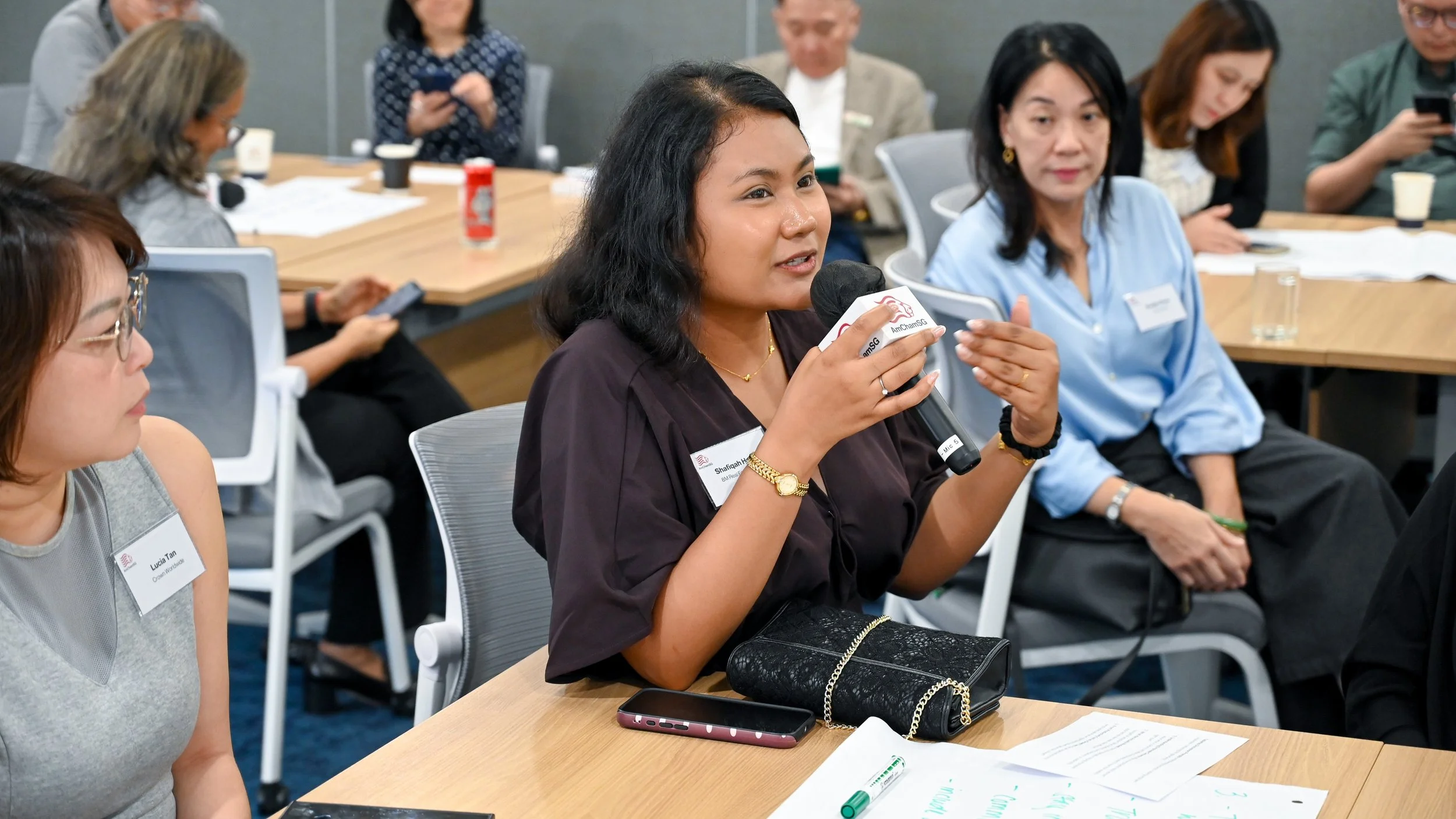
Photo: AmCham Singapore
AI adoption is moving at a pace few industries have seen before. Global spending is forecast to reach US$2.59 trillion by 2026. Practical examples already show the impact: AI systems can review NDAs faster and more accurately than human lawyers, cutting hours of work down to minutes.
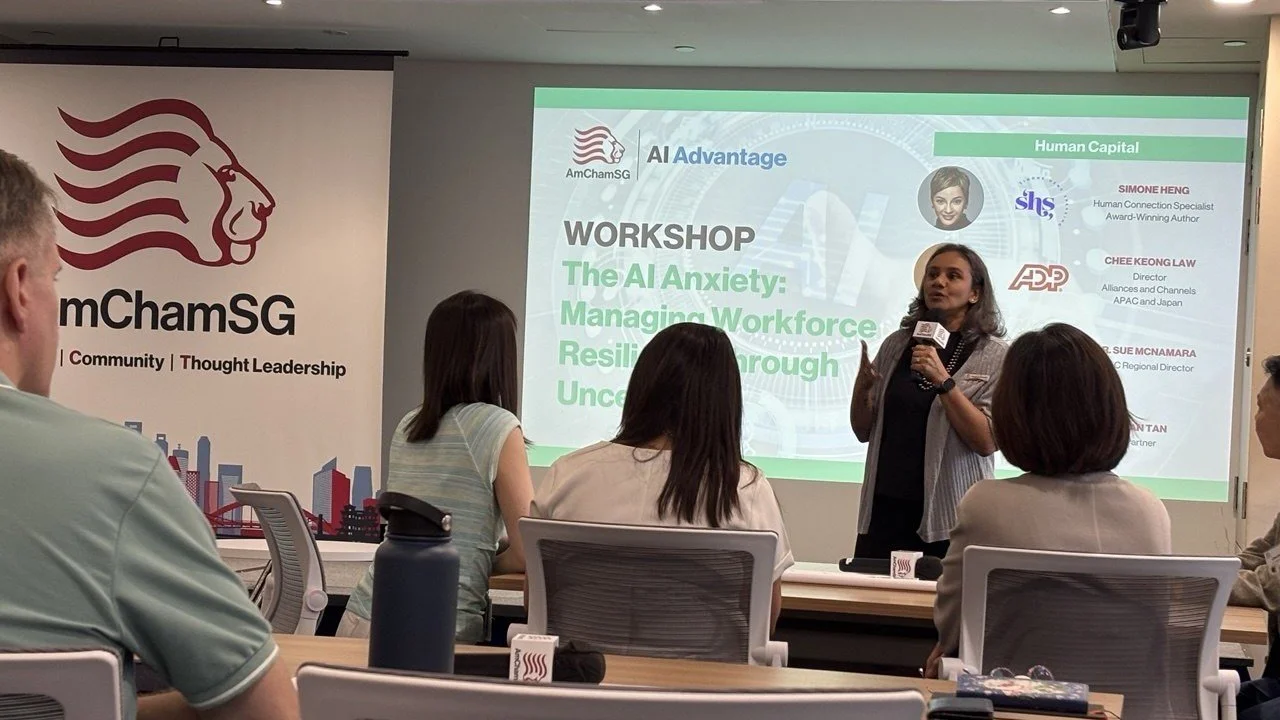
At AmCham Singapore’s workshop The AI Anxiety: Managing Workforce Resilience Through Uncertainty, speakers from ADP, Mercer, Six Seconds Asia Pacific and SHC shared insights on how leaders can help employees navigate this change with confidence.
Understanding Workforce Concerns
The ADP People at Work 2026 report reveals that only 15 per cent of Singapore’s workforce feels secure about their jobs. Much of this insecurity is tied to AI anxiety and rapid workplace change, a point emphasised by Law Chee Keong of ADP.
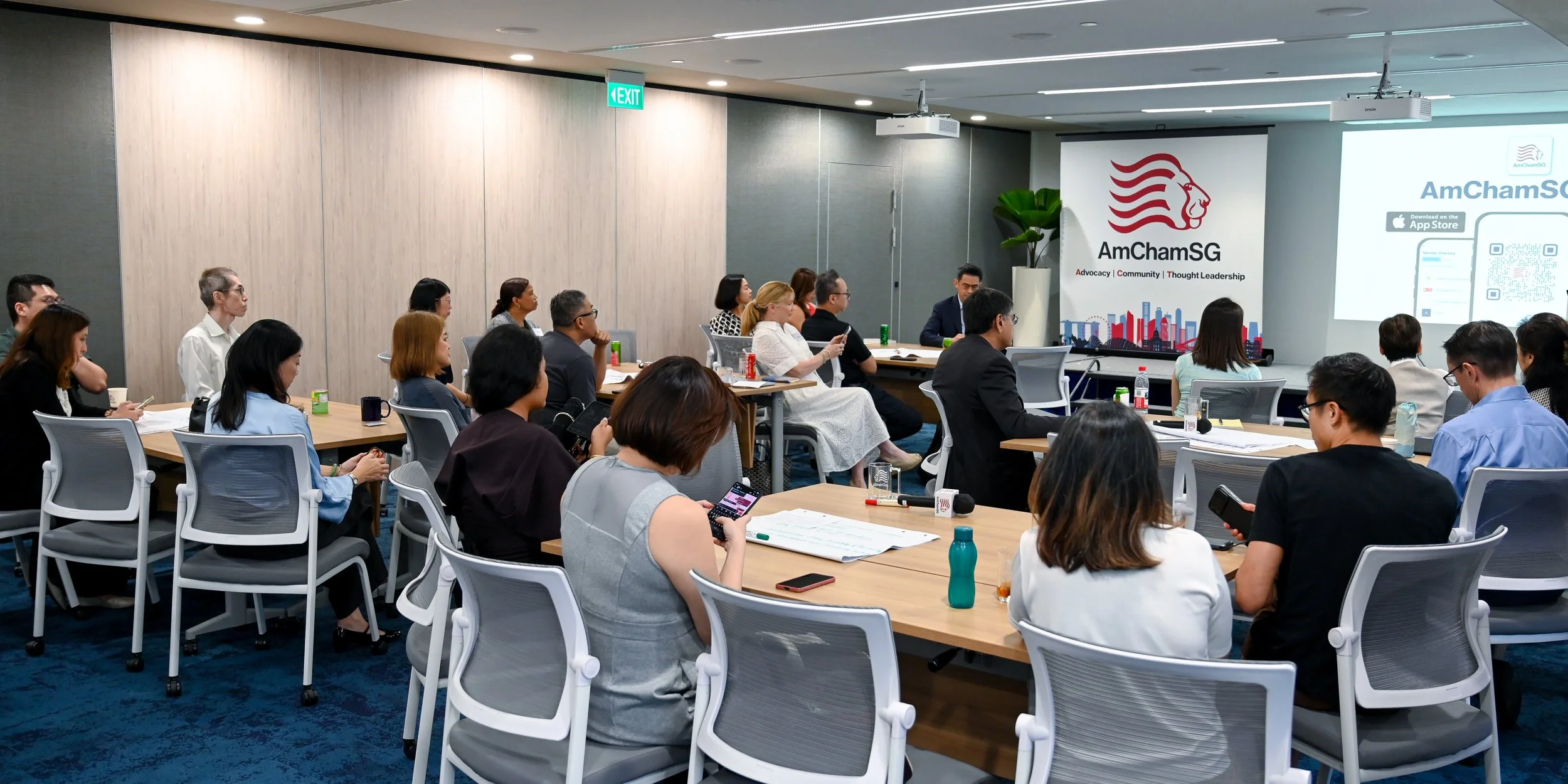
Photo: AmCham Singapore
Sean Tan, Mercer, added that AI-related stress is both a mental health and productivity risk. He emphasised the importance of making AI tools and training more equitable across the organisation, so opportunities are shared fairly.
Employee concerns about AI are grounded in tangible career risks, from job security to future skills. Unequal access to training or tools can deepen divides and fuel anxiety.
Takeaway: Leaders must acknowledge these concerns openly, communicate retraining pathways clearly, and ensure equitable access to AI opportunities so employees feel empowered, not excluded.
Investing in Emotional Intelligence
Resilience comes from investing in emotional intelligence, not just technical skills. Dr Sue McNamara, Six Seconds Asia Pacific, explained:
“AI is accelerating at an extraordinary speed. Leaders need to invest in emotional intelligence, actively build psychological safety, and lead with empathy if they want their workforce to thrive.”
Emotional intelligence helps leaders reduce anxiety and build trust. It is the foundation for resilience in an AI-enabled workplace.
Takeaway: Embed emotional intelligence training into leadership development and workforce planning. Treat it as a strategic investment that strengthens both people and performance.
Making Human Connection a Priority
Connection reduces the fight-or-flight response triggered by AI. Simone Heng of SHC urged leaders to “Make connection a priority.”
Human connection is essential for resilience, helping employees navigate uncertainty with trust and support.
Takeaway: HR leaders should foster peer support, mentoring and open dialogue. Connection builds confidence and helps employees embrace change.
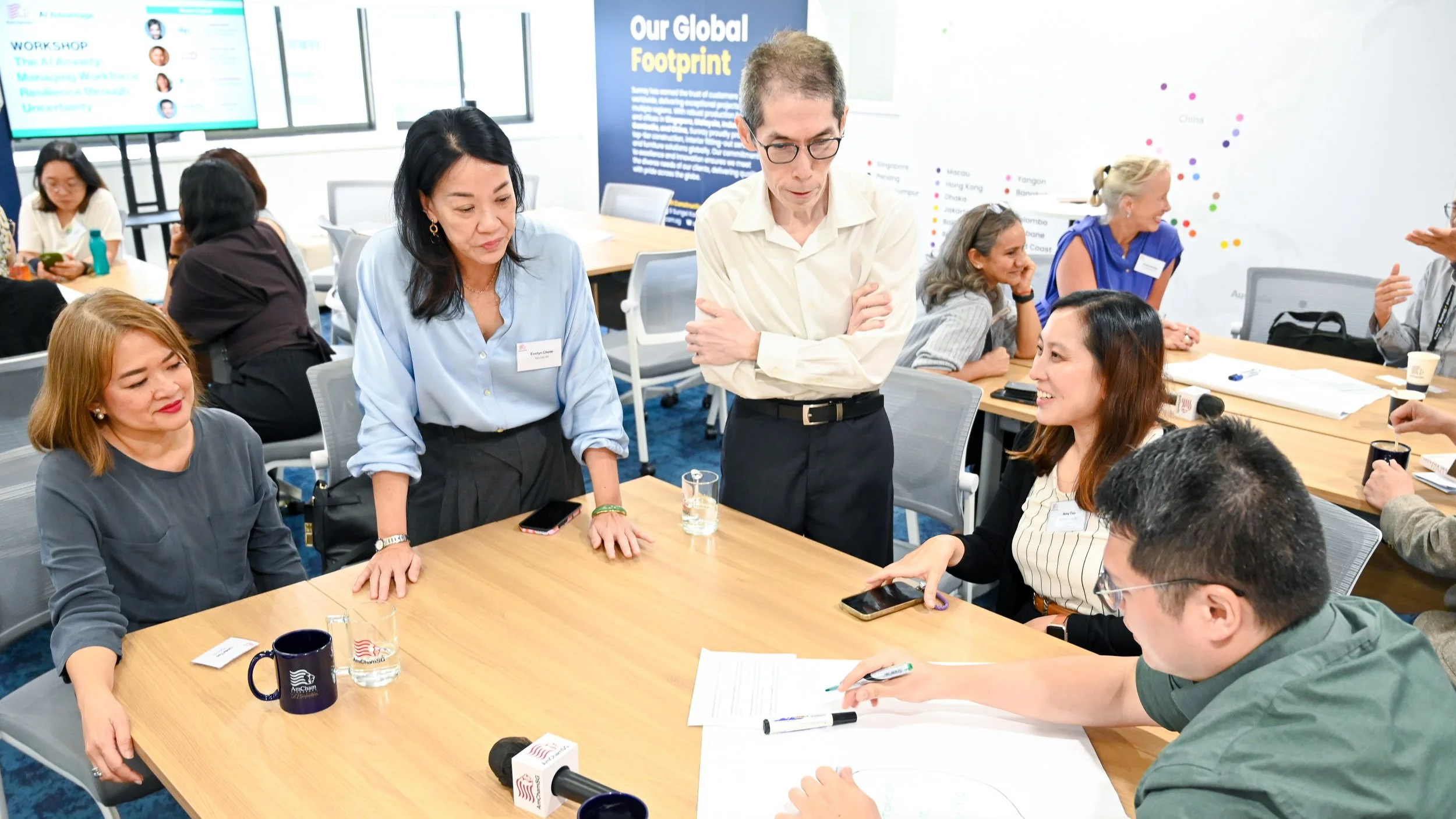
Photo: AmCham Singapore
Turning Disruption into Opportunity
The workshop highlighted how organisations can use AI to strengthen resilience and create new value.
IKEA: Retrained 8,500 call centre employees into interior design advisors, generating over €1.25 billion in sales revenue.
AI in healthcare: Tumour detection systems have achieved error rates far lower than human radiologists. By reducing repetitive diagnostic work, these tools support clinicians, ease workload stress and allow them to focus more on patient care and complex decision-making.
Job redesign shows how roles can be transformed to create new value, while AI support tools demonstrate how technology can strengthen resilience by reducing pressure and enabling professionals to concentrate on what matters most.
“We can think of AI as not just a productivity tool, but also a tool for personal growth, to build our capability.” — Annie Kok, DecodeHR
Resilience for the Future
AI anxiety is real, but it can be managed. By investing in emotional intelligence, prioritising human connection and redesigning work to create value, HR leaders can turn disruption into resilience.
The challenge is urgent, but the opportunity is equally powerful.
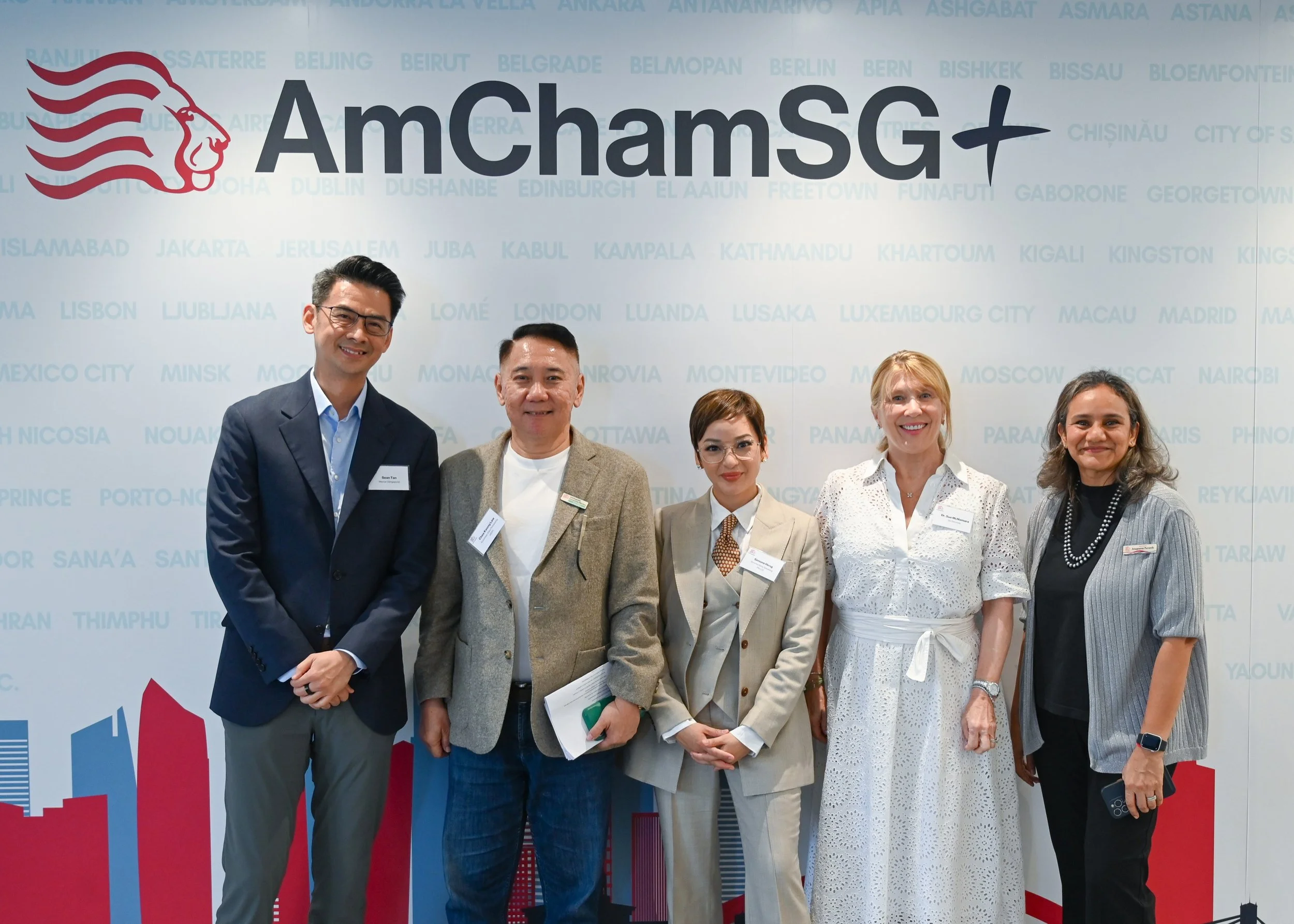
Photo: AmCham Singapore
Explore how your organisation can build resilience and trust in the age of AI — connect with DecodeHR for practical strategies.