Top 5 Skills Employers Need Most in 2026
Reading time: 4 mins

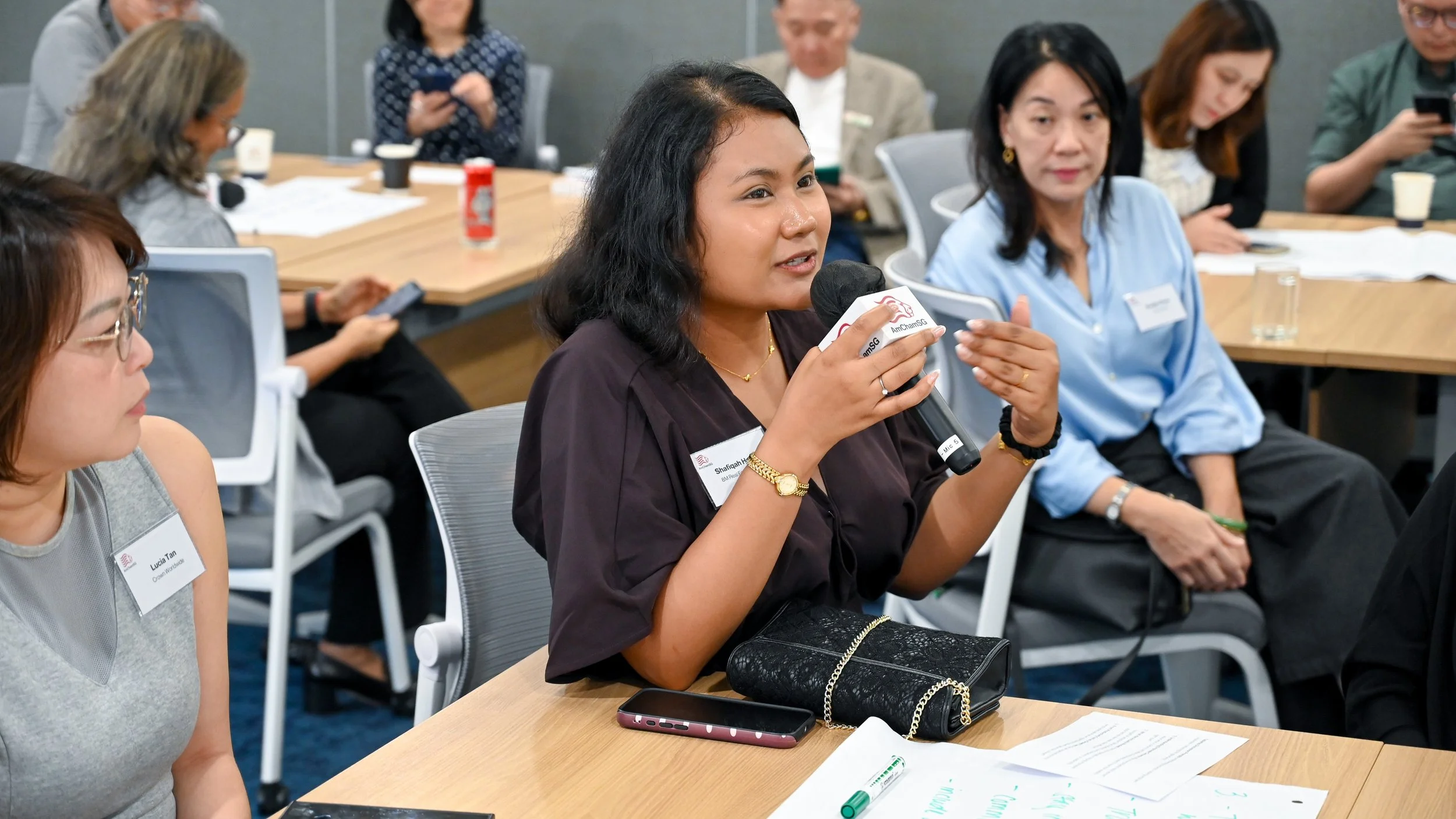
Photo: kotkoa / Freepik
As 2026 gets underway, one thing is clear: the demands of the workplace are rising. Technology is advancing rapidly, and teams across Singapore and the APAC region are becoming increasingly global and hybrid. In this environment, it’s no longer just about what people know, but how quickly they can learn, adapt, and work smarter.
Moving ahead, these five skills will matter most to employers, so understanding them can help you prepare for the future of work.
1. AI and Digital Fluency
A majority of companies worldwide are embracing AI, with 88% of organisations using the technology in at least one business function. As we continue to move through 2026, employees will need to feel more confident working with digital tools and AI-driven systems to improve their daily work.
Employees with digital fluency understand how AI tools support tasks and how to choose the most effective digital solution or approach to a problem. When workers use technology well, they make faster and more accurate decisions, and can also work more efficiently.

2. Adaptability and Continuous Learning
The ability to adapt is a highly valuable professional skill. As industries and technologies evolve, employees must be willing to learn new processes and refresh their knowledge regularly.
This skill becomes even more critical in fast-changing environments where job scopes and goals can shift quickly. Employees who welcome coaching and learning will stay productive longer and help their organisation remain competitive.
HR teams should foster a culture of curiosity and support employees’ professional development to help move their company in the right direction.
3. Advanced Communication and Empathy
Aside from finding the right words, communication in 2026 requires empathy, cultural awareness and emotional intelligence, especially as teams grow more global and hybrid. Singapore’s multicultural workforce is likely already familiar with this demand. Data shows that international roles comprised 49% of new hires in the country in 2025.
Employees who communicate well can explain ideas clearly, listen actively and respond with understanding. Empathy also helps teams avoid unnecessary conflict, especially when working under pressure or across different cultures.
Studies consistently show that positive workplaces result in more engaged and productive employees. According to an HP report, 83% of workers would leave their roles if they believed they would be happier elsewhere. When people feel heard and respected, teamwork becomes smoother.

4. Strategic and Analytical Thinking
As technology takes over repetitive tasks, employees will need to focus more on decision-making and planning. Strategic and analytical thinking help break down complex problems and choose solutions that support long-term success.
Even staff who are not in analytical or managerial roles will need to be comfortable interpreting dashboards and reports. These skills can help teams respond to unexpected challenges and identify opportunities that can strengthen their market position. Moving forward, employees who can combine data understanding with practical judgment will stand out.
5. Collaboration in a Hybrid World
Workers value collaboration, and 75% consider it essential to their everyday functions. However, hybrid work introduces new challenges and demands. Employees and leadership must learn to collaborate, even when they are not physically together. They should be able to coordinate across departments, maintain transparency and communicate consistently.
Good collaborators can manage different working styles, support colleagues and keep projects moving even with remote or mixed-location teams.
Next Steps
Identifying the workforce skills that matter most in 2026 is an important first step. But knowing what critical skills are needed is only half the challenge. The real question for employers is how to build them – both through smarter hiring decisions and by developing the talent they already have.
In Part 2, we’ll explore how HR leaders can turn these insights into action.

This article is written by Eleanor Hecks, an HR and hiring writer, who currently serves as Editor-in-Chief at Designerly Magazine, where she specialises in small business news and insights.
Ready to future‑proof your people strategies? Reach out to us today.