Why Lunch Breaks Still Matter More Than We Think
Reading time: 2 mins
Even as more employees return to the office, many in Singapore continue to shorten or skip their lunch breaks. For some, perhaps it’s because the workplace culture quietly signals that doing so means being committed.
When leaders power through lunch or teams face heavier workloads after restructuring, taking a proper pause can feel like an indulgence. And for working parents, shaving off 15 minutes at lunch may be the trade-off that helps them get home in time for family.
But a lunch break isn’t just a meal — it’s a vital reset.
Research consistently shows that genuine breaks improve focus, reduce stress, and support better decision-making. Over time, those small pauses protect against burnout and boost overall engagement. Returning from lunch refreshed means returning with more energy, focus, and creativity.
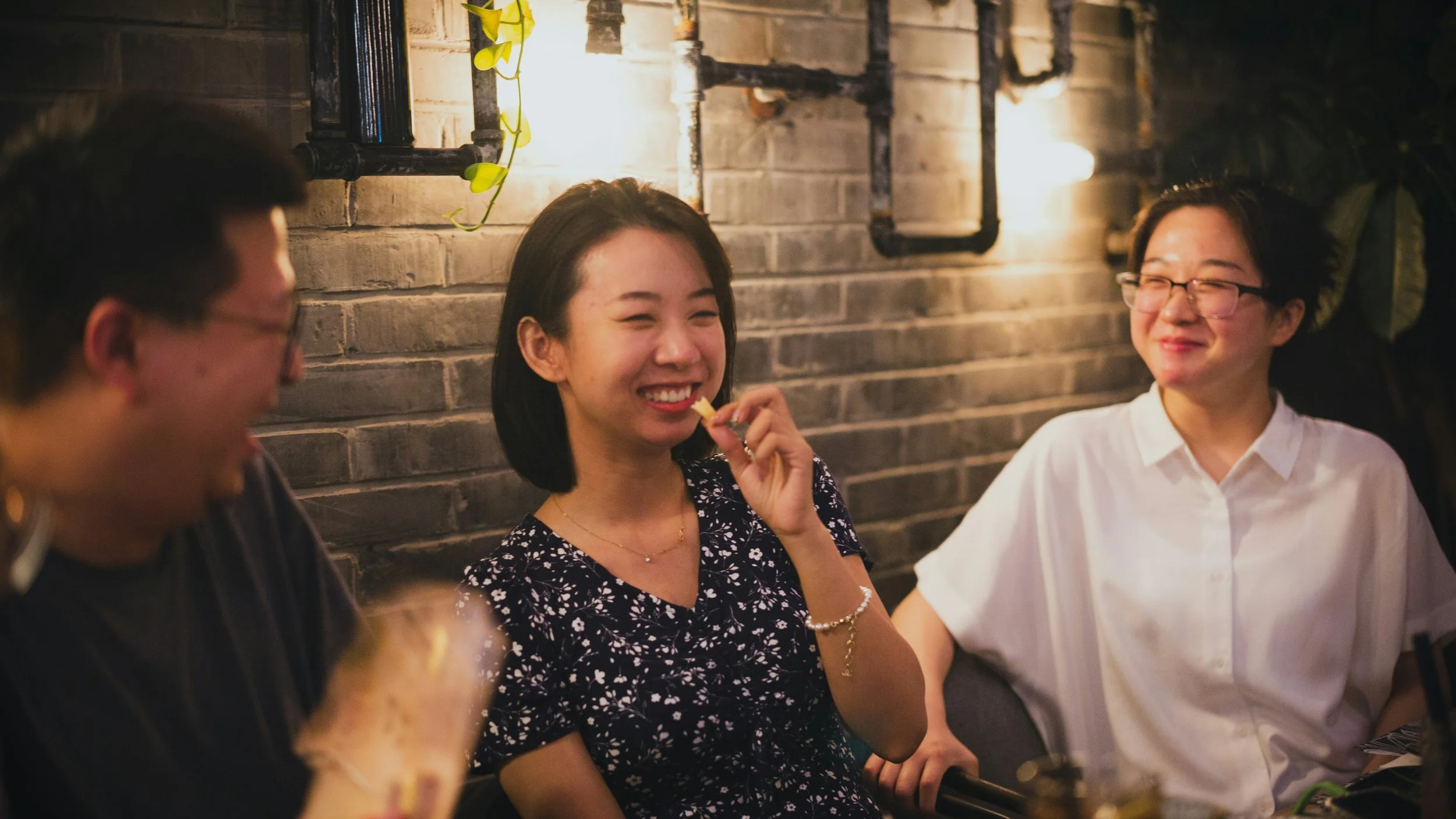
There’s also a powerful social element. Casual conversations over shared meals help colleagues bond in ways that structured team-building often can’t. These everyday interactions build trust and a sense of belonging, which are essential ingredients for strong and cohesive teams.
From an HR perspective, encouraging lunch breaks is a simple yet meaningful investment in people. Leaders can set the right direction by:
Role-modelling and stepping away from the desk for lunch
Establishing norms that lunch is email- and meeting-free
Ensuring that the office has welcoming spaces for employees to unwind
Helping hybrid teams disconnect through flexible lunch windows
Let’s build a culture where taking a break is not just allowed but encouraged.
Find out more in this article by CNA highlighting why lunch breaks matter more than we think.

Want to create a people‑first workplace culture? Connect with us today.
More on Creating Happier, Healthier Teams:
Working Across Time Zones Without Burning Out
Want to Achieve a Happier Workspace With More Committed Employees?
Does Your Corporate Culture Attract or Repel Talent?